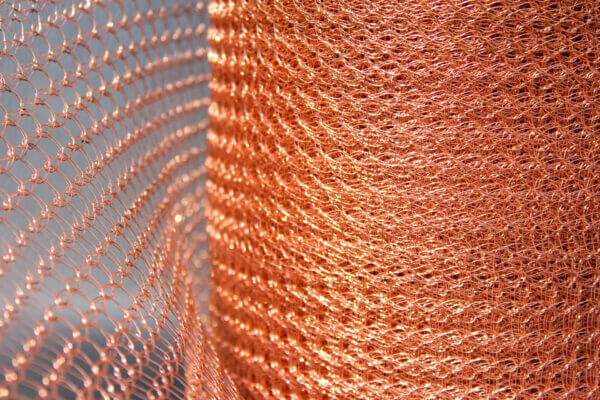
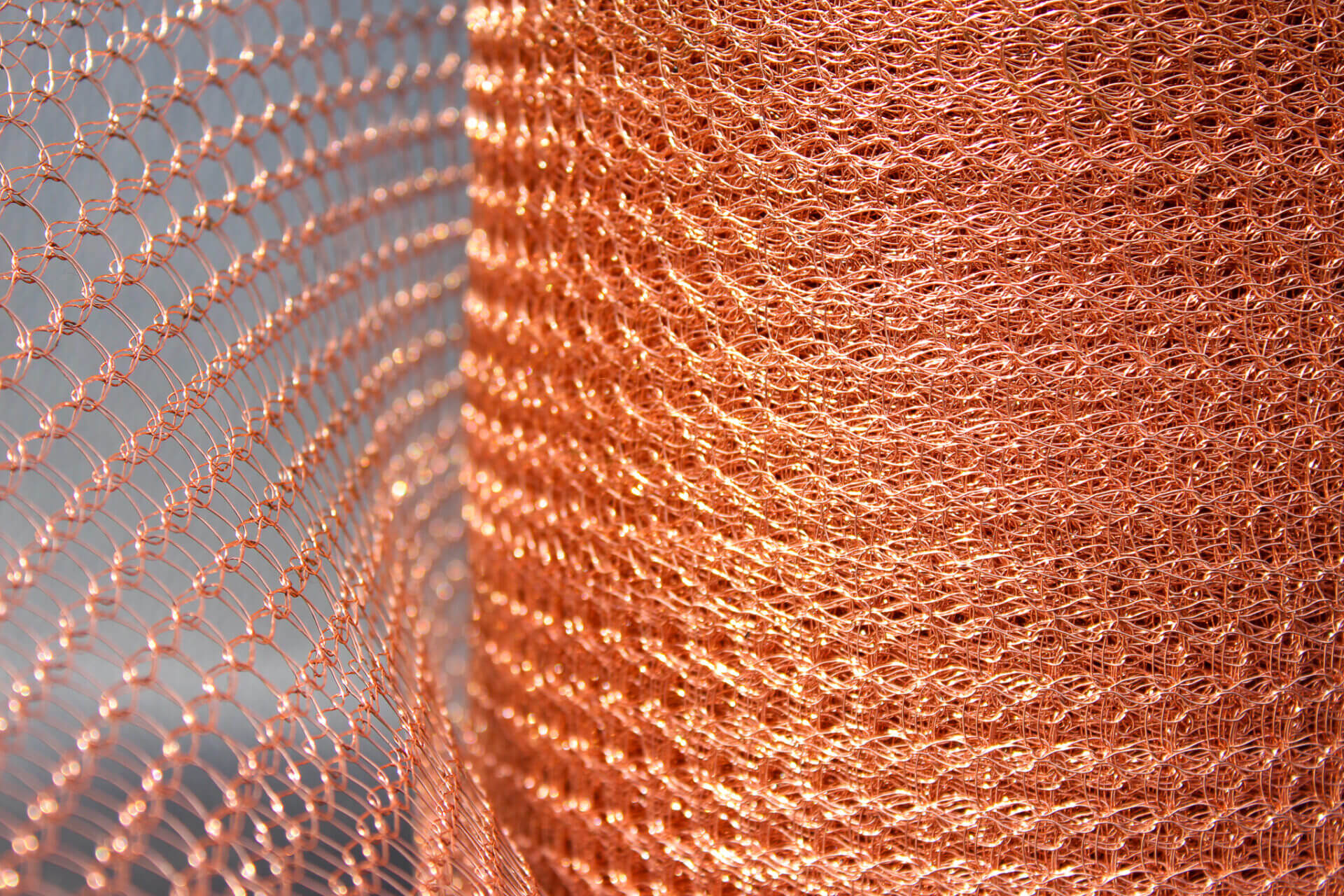
100% Copper Knitted Wire Mesh; 125mm x 10mtrs
£29.89 Including VAT
For Mice, Rats, Squirrels, small bird and slug/snail proofing
- Description
- Delivery
- Reviews
Description
Long Lasting
- Does not rust
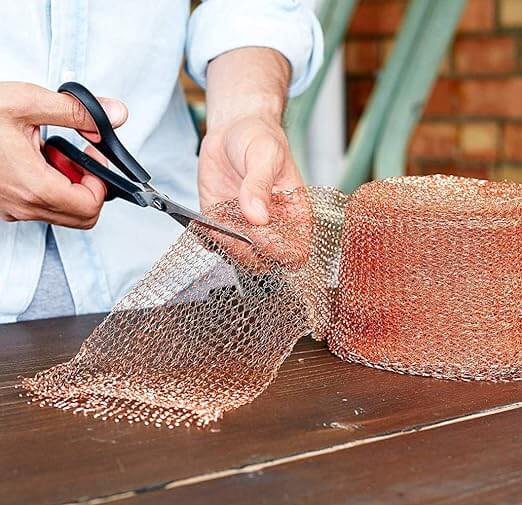
- Easy to work with
- Enviromentally Friendly
Does copper mesh keep mice out?
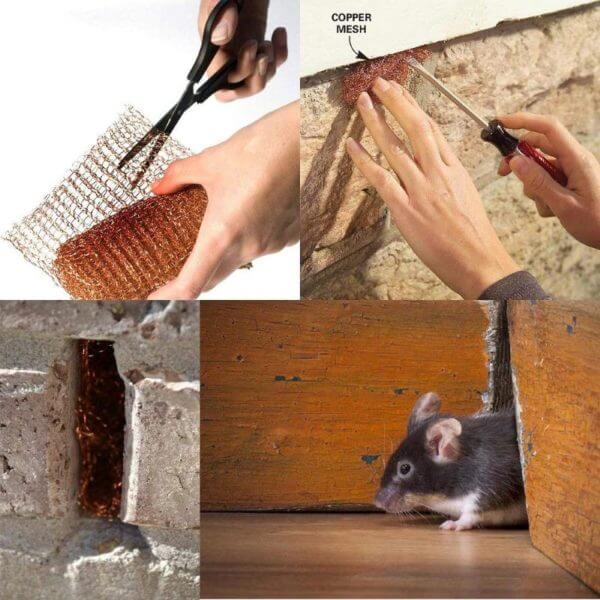
Copper mesh to stuff into small cracks, to exclude mice. Copper mesh is an excellent way to exclude rodents from crawling into tights spaces. By stuffing copper mesh into holes and openings and other possible points of entry, rodents will be unable to crawl through and will have to go elsewhere to find a place to gather and cause destruction.
Can rats chew through copper mesh?
Copper Mesh wire mesh will not rust and more importantly, the rodents can not chew through it. However, it will need to be tightly packed in with foam or sealant as rats will move it given the chance.
How do you use copper mesh for rodents?
Typically, if you close an opening around a pipe or wire with just expanding foam, the rodents will eat through it. If you place mesh in the hole first and then use expanding foam, the foam will encase the mesh.
You may also like…
-

-
-
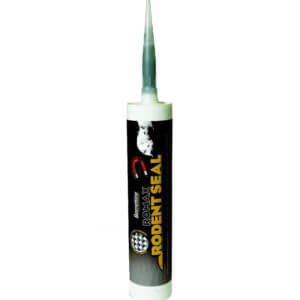
Romax Rodent Seal (Mouse Proofing Sealant) 310ml
£16.94 Including VATAward winning proofing sealant
-

-
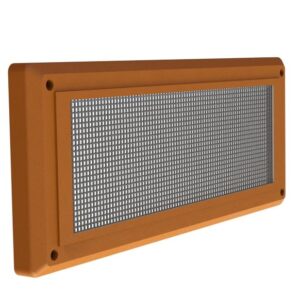
PCD Air Brick Mesh Vent Cover in Brown, Grey and White
£7.79 Including VATPrevent mice/insects from gaining access
-
Pro-Active Rodent D-Fence (mouse and rat proofing sealant)
Original price was: £16.80.£14.40Current price is: £14.40. Including VAT -

Soudafoam Gap Filler Genius 600ml (Expanding Foam)
£6.49 Including VATReusable for up to 6 weeks with genius gun