Rodent proofing your home
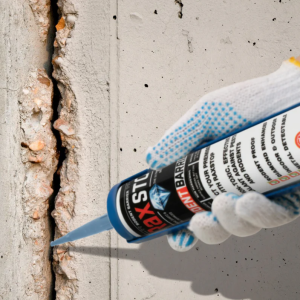 Rodent-proofing your home is all about blocking entry, removing attractants, and making your space uncomfortable for mice and rats. Here’s a practical, step-by-step guide you can actually use.
1) Seal all entry points (most important)
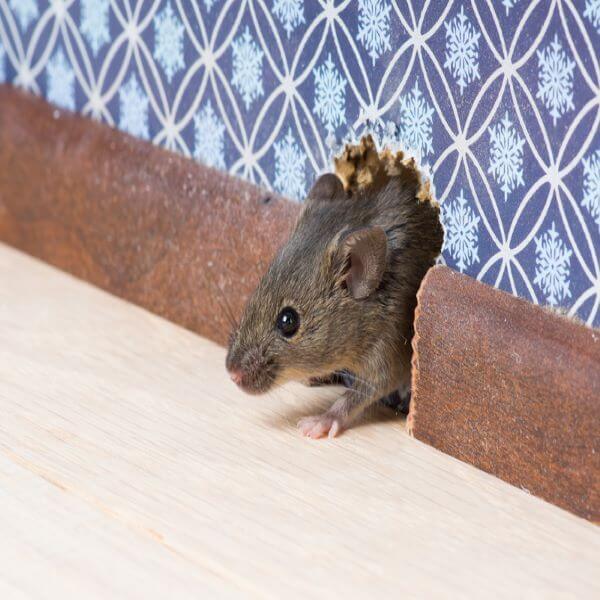
Rodents can squeeze through holes as small as a dime (mice).
What to do
Inspect foundations, siding, vents, roofline, and where pipes/wires enter
Seal gaps with:
Steel wool + caulk (excellent for small holes)
Hardware cloth (¼ inch mesh) for larger openings
Cement or rodent seal with metal for cracks in masonry
Install door sweeps on exterior doors (no daylight underneath)
Repair damaged screens and cover vents with metal mesh
Avoid: plain foam or wood alone — rodents chew through them.
2) Eliminate food sources
If there’s no food, rodents won’t stay.
Inside
Store pantry items in airtight glass or metal containers
Don’t leave pet food out overnight
Wipe counters nightly; vacuum crumbs
Outside
Secure bins
Don’t feed birds near the house (spilled seed attracts rodents)
Pick up fallen fruit and spilled grill food
3) Remove nesting and hiding spots
Inside
Declutter garages, and attics
Store items in plastic bins, not cardboard
Outside
Keep firewood at least 20 feet from the house
Trim shrubs and branches away from walls and roof
Remove tall grass, leaf piles, and debris near foundations
4) Make your home hostile to rodents
Deterrents & control
Place snap traps along walls and behind appliances (perpendicular to walls)
Peppermint oil (cotton balls near entry points) can help slightly
Ultrasonic repellents: mixed results — don’t rely on them alone
Tip: If you already have rodents, trap first, then seal. Sealing them inside causes worse problems.
5) Watch for early warning signs
Droppings (rice-sized = mice, larger = rats)
Scratching noises in walls or ceilings at night
Gnaw marks on food packaging or wood
Grease marks along baseboards
6) When to call a professional
Call pest control if:
You see rodents during the daytime
There’s nesting in walls or insulation
DIY trapping hasn’t reduced activity in 1–2 weeks